
Show prospects what your platform changes, not what it does
Sales cycles stall when prospects can't see what changes for them, and a partner network can only sell what it understands. A configured simulation puts your platform inside a working business, so sellers, partners and prospects make decisions with it and see the results across availability, costs and customer satisfaction. Sellers and partners come away with examples they can use with customers, and prospects with a value case they've built themselves..
Leading Companies





What vendors are working against
Three things a demo and a deck can't do.
Adoption that stalls after launch
You've invested in a new platform or way of working, but adoption plateaus. People attend the training, pass the assessments, and then go back to doing things the way they always have. Knowing about a change and actually changing behaviour are two different things.
Resistance that briefings and presentations won't fix
People resist change they don't understand. When the rationale for transformation comes through slides and briefings, it's easy to dismiss or deprioritise. Being told why something matters isn't the same as understanding why it matters.
Scale and consistency across the organisation
Reaching every team that needs to understand the change, across departments and regions, with a consistent message and a consistent quality of experience, is a significant logistical challenge using traditional approaches.
What a configured simulation does
SXP works with you to build your platform capabilities into the simulation, often around a real customer scenario, so participants work with something recognisable. They run a business, making decisions about technology, processes and resources, and see how your capabilities affect business performance. They also see what happens when they choose differently.
Each simulation is configured to your platform, using your terminology, your messaging and your capability progression. As the product changes, the simulation can be updated to match. The same configured simulation runs with prospects, at events or in workshops, so they work through the value question themselves rather than being talked through it.





What working with SXP looks like
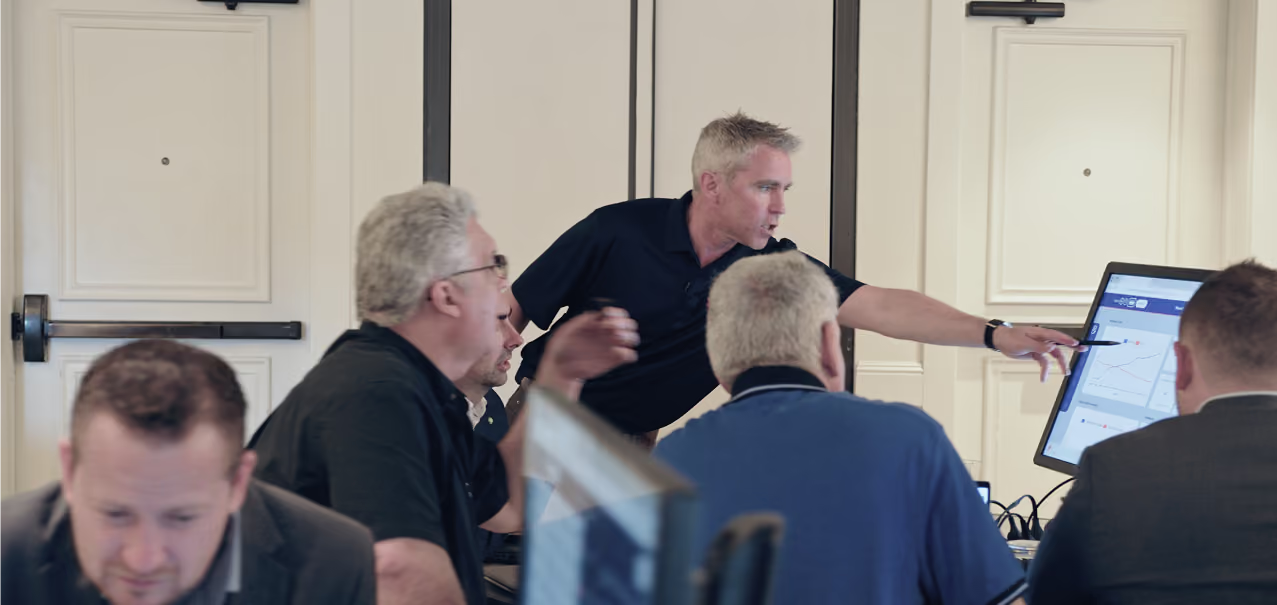
The starting point is understanding your platform, which capabilities matter commercially, and who needs to be able to talk about them. SXP configures a simulation around those capabilities, usually built on a real customer scenario, using your terminology and your messaging. SXP trains your own people to run sessions, or delivers them for you at events and workshops. Most vendor relationships are long-term, with the simulation updated as new capabilities are released.
What to expect
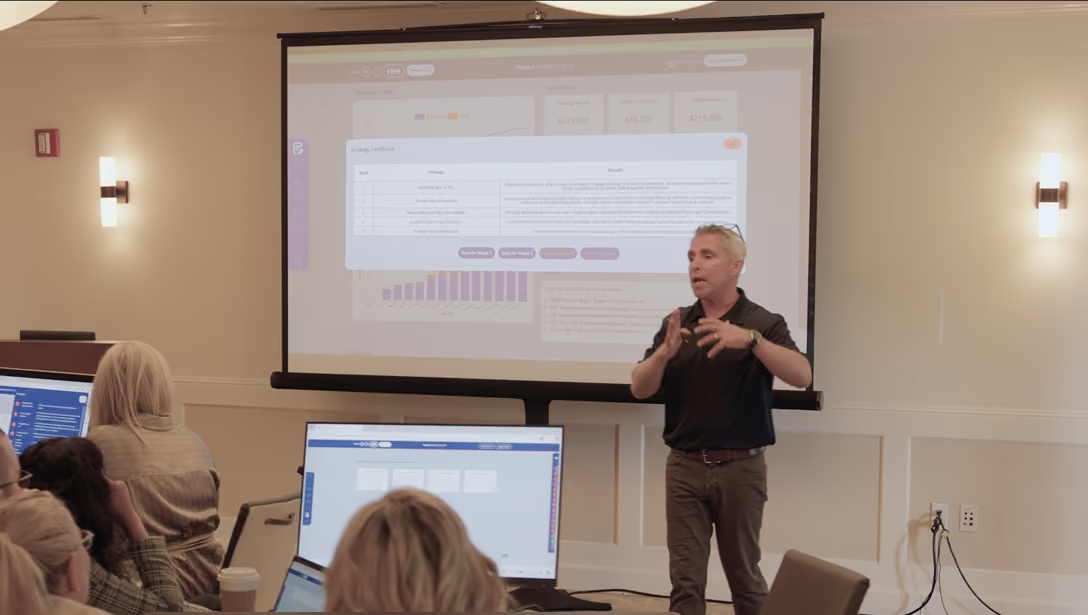
Every session is scoped before you start (length, how much time it compresses and how it's delivered), so there are no surprises for your team or your customer.

90 mins to 4 hours
Typical session length

Years into hours
A full transformation in a single session

Virtual or in-person
Run however suits your organisation or partners
Ready to talk?
Tell us what you're working on and we'll discuss whether a simulation would help. Email or a call, whichever suits you.